
Eine automatisierte Drehmaschine ist das, was als bekannt ist eine Schweizer Schraubenmaschine. Es ist in der Lage, Präzisionsdrehteile in großen Stückzahlen präzise und effizient herzustellen. In diesem Beitrag werden wir die vielen Vorteile besprechen, die es im Vergleich zu den entsprechenden Drehmaschinen bietet. Darüber hinaus werden wir die vielen Anwendungen durchgehen.
Was sind die Haupttypen von Schweizer Schraubenmaschinen?
Automatische und computergesteuerte (CNC) Swiss Screw-Maschinen sind die beiden häufigsten Typen, die im Folgenden besprochen wurden:
Automatische Schweizer Schraubenmaschine
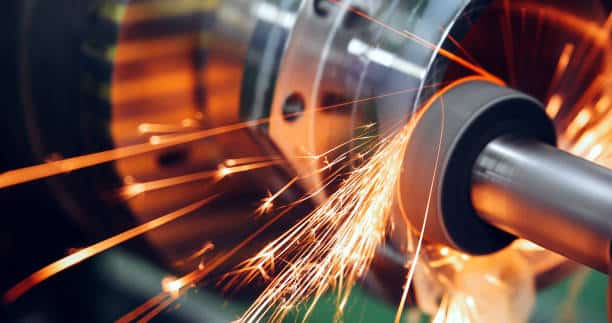
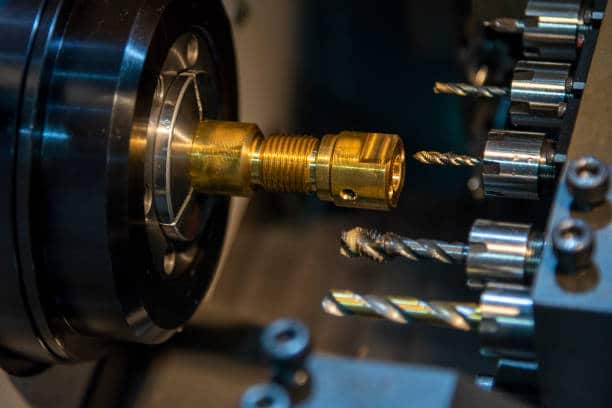
Die Werkzeughalter eines Schweizer Schraubautomaten sind radial rund um die Spindel angeordnet, und der Reitstock der Maschine ist koaxial zur Spindel. Es ist ideal für die schnelle Massenproduktion winziger, hochpräziser Teile. Um Abweichungen in der Parallelität des Werkstücks auszugleichen, positionieren Kurvenscheiben den Spindelstock neu und bewegen die Werkzeuge radial. Die engen Spindelspannzangen der automatisierten Swiss Screw-Maschine eliminieren das Ablenken von Schmutz und ermöglichen es der Maschine, über jedes Hindernis zu gleiten.
CNC Schweizer Schraubenmaschine
CNC (Computer Numerical Control) Schweizer Schraubenmaschinen, die eine Art Schweizer Schraubenmaschine sind, verbessern die Effizienz und Präzision der Produktion. Prozesse können mit mehreren Werkzeugen gleichzeitig und in schneller Folge durchgeführt werden. Bei diesem Verfahren dreht sich das Werkstück gleichzeitig mit der Drehmaschine.
In Bezug auf die Anwendung ist die CNC-Schraubmaschine sehr anpassungsfähig. Im Gegensatz zu den gebräuchlicheren „Einspindel“-Schraubmaschinen kann diese eine größere Auswahl an Werkzeugaufnahmen aufnehmen, zusammen mit einer Doppelspindel.
Automatische Swiss Screw-Maschinen und Computer Numerical Control (CNC) Swiss Screw-Maschinen sind aufgrund ihrer geringen Kosten und Anpassungsfähigkeit großartige Optionen für langwierige Projekte. Einmal richtig ausgestattet und programmiert, können viele Maschinen mit nur einem Bediener arbeiten, was sie für langfristige Projekte sehr kostengünstig macht.
Da die Spannzange, das Substrat und das Werkzeug alle eng zusammenpassen, können die Bearbeitungsvorgänge mit größerer Genauigkeit durchgeführt werden.
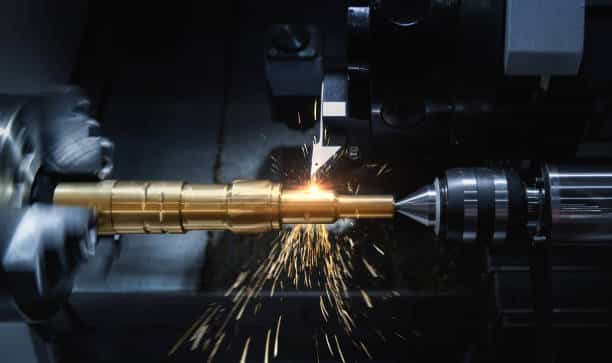
Welche Eigenschaften machen die Swiss Screw Machine zu etwas Besonderem?
Wie der Name schon sagt, wurde die Schweizer Schraubenmaschine von Uhrmachern in der Schweiz entwickelt, die nach einem präziseren Schneidwerkzeug suchten. Das Arbeitsprinzip dieser Art von Maschine besteht darin, dass das herzustellende Teil auf einem rotierenden Schlitten montiert wird und sich der Schlitten dann dreht, sodass die Spindelmaschine das Teil gemäß den erforderlichen Spezifikationen schneiden kann.
Das Folgende schließt einige Besonderheiten ab, die es beherbergt:
- Zur Einstellung befindet sich am Werkzeughalter ein Mikrometer
- Sperriger Aufbau, kurze Werkzeugwege und hohe Steifigkeit
- Ausgabe in hoher Präzision
- Extrem kurze Taktzeiten
- Anstatt das Werkzeug zu bewegen, kann das Werkstück axial relativ zum Werkzeug bewegt werden, wodurch Merkmale entlang seiner Länge gebildet werden
Was sind seine Vorteile gegenüber anderen Drehmaschinen?
Die punktgenaue Arbeitsweise der Swiss Screw Machine ist nur einer ihrer zahlreichen Vorteile. Die Schweizer Schraubenmaschine erfüllt einen Bedarf, da verschiedene computergesteuerte Maschinen oft keine mikrogroßen Komponenten verarbeiten können. Alle anderen CNC-Maschinen können die Schnittpräzision dieser Maschine nicht erreichen (eine Toleranz von 0,0002 Zoll bei einer Geschwindigkeit von 10.000 Umdrehungen pro Minute).
Neben präzisen Schnitten bietet es auch zusätzliche Vorteile, darunter die folgenden:
- Durch die kompakte Anordnung der Werkzeuge ist es möglich, in einer Sekunde oder sogar weniger von einem Werkzeug zum nächsten zu wechseln.
- Durch die gleichzeitige Zusammenarbeit von bis zu fünf Werkzeugen kann der Zeitaufwand für Operationen halbiert werden.
- Es ist möglich, dass eine Swiss Screw-Maschine bis zu 20 Werkzeuge enthält, was zur Vielseitigkeit der Maschine beiträgt und sie zu einer beliebten Wahl macht.
- Da es ein makelloses Oberflächenfinish liefert, sind keine weiteren Nachbearbeitungsschritte erforderlich.
- Fräsen, Bohren und Sägen sind einige der sekundären Prozesse, die durchgeführt werden können.
- Der Zeitaufwand für die Einrichtung wird erheblich reduziert.
- Qualitätserhaltende Methoden, die effizient sind und keine Zeit verschwenden.
Was sind die Produkte aus Schweizer Schraubenmaschinen?
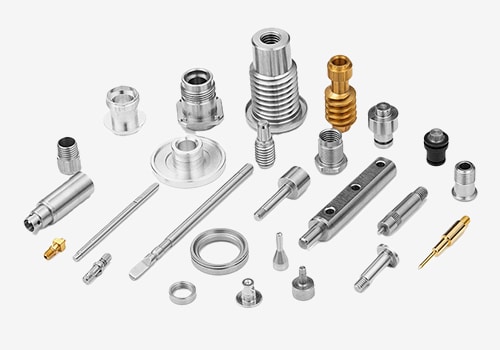
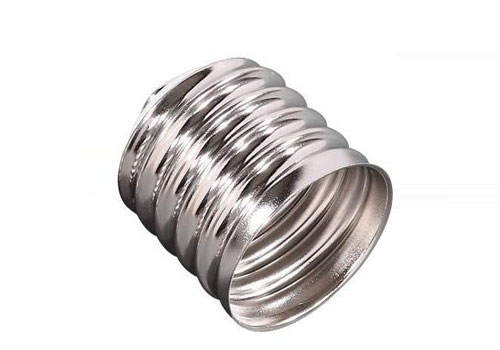
Die Schweizer Schraubenmaschinen machen mehr als nur Schrauben, trotz der Implikation ihres Namens. Es ist in einer breiten Palette von Teilen und Produkten durch eine Vielzahl kostengünstiger mechanischer und CNC-Bearbeitungsmethoden erhältlich. Zu den Produkten, die von Schweizer Schraubenmaschinen hergestellt werden, gehören:
- Keile
- Spindeln
- Beschläge
- Keilnuten
- Reifenmessgeräte
- Metallknöpfe
- Gewindestangen
- Spezialbefestigungen
- Medizinische Miniaturinstrumente
- Kundenspezifische und standardmäßige Bioimplantate
Was sind seine Verwendungen und Anwendungen?
Heutzutage, CNC-Schweizer Schraubenbearbeitung wird allgemein als effektive Methode zur Herstellung von Präzisionsteilen und -komponenten angesehen, die in verschiedenen Branchen verwendet werden, darunter:
- Medizinisch
- Luft- und Raumfahrt
- Militär
- Automobil
- Elektronik
- Landwirtschaft
- Hydraulik
- Konstruktion
- Energetische Ausrüstung
- Musikinstrumente
Die Automobilindustrie ist eine, die stark auf Swiss Screw Machines angewiesen ist, aber sie haben auch viele andere Anwendungen. Wenn Autohersteller täglich Tausende von Autos produzieren, ist die Fähigkeit, eine große Menge an Komponenten zu niedrigen Preisen herzustellen, von entscheidender Bedeutung, und die Swiss Screw Machine ist der Grund dafür.
Swiss Screw Machines werden wegen ihrer Präzision im Elektronikbereich eingesetzt. Die Hochgeschwindigkeits-Schneidefähigkeiten der Swiss Screw Machine sind besonders nützlich in der Elektronikindustrie, die oft eine breite Palette von Metallen und Materialien verwendet. Dies unabhängig von der Dichte des zu schneidenden Materials.
Obwohl die Swiss Screw Machine zunächst in der Uhrenbranche zu Hause war, hat sie später in vielen anderen Bereichen Anwendung gefunden. Eine Schweizer Schraubenmaschine ist aufgrund ihrer Fähigkeit, äußerst detaillierte Muster in eine Vielzahl von Materialien zu schneiden, ein sehr begehrtes Gerät. Wenn diese Schneidkraft mit einer computergestützten Bewegungssteuerung gekoppelt wird, werden die Einsatzmöglichkeiten nahezu grenzenlos. Aus diesem Grund sind Branchen wie die Automobilindustrie bei der Herstellung ihrer Komponenten auf Swiss Screw Machines angewiesen.
Arbeiten Sie mit Runsom – Führen Sie Ihren Job rund um die Uhr aus!
Wir sind der zuverlässigste Hersteller in der Branche, wenn es um die Produktion geht Schweizer Schraubenteile, also kommen Sie zu uns, wenn Sie einen suchen. Aufgrund der Technologie, die unserer Plattform zugrunde liegt, sind wir in der Lage, sieben Tage die Woche rund um die Uhr einen unterbrechungsfreien Betrieb aufrechtzuerhalten. Auch wenn unsere Mitarbeiter den Tag verlassen haben, werden unsere hochentwickelten Swiss Screw-Maschinen weiter in Betrieb sein und die von Ihnen gewünschten Komponenten termingerecht und ohne Überschreitung des zugewiesenen Budgets herstellen. Erhalten Sie ein sofortiges Angebot um Ihr Projekt noch heute zu starten!
Erfahren Sie mehr über unsere Schweizer CNC-Bearbeitung Fähigkeit.
Andere Artikel, die Sie interessieren könnten: