
Mecanizado CNC en PMMA/Acrílico
El plástico PMMA/acrílico es una excelente alternativa al vidrio en procesos de mecanizado CNC como fresado y torneado, debido a sus notables propiedades naturales, como su excelente rigidez y transparencia. Los servicios de mecanizado CNC de acrílico de Runsom le ofrecen piezas y prototipos de alta precisión a bajos costos y alta calidad.
¿Qué es el plástico PMMA?
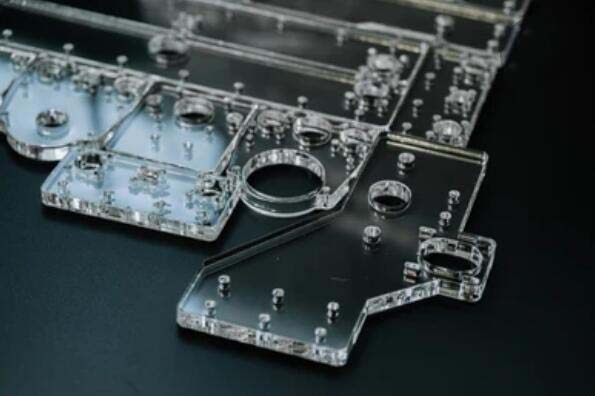
El metacrilato de polimetilo, abreviado como PMMA, también conocido como acrílico, plexiglás o metacrilato, es un termoplástico que posee una gran rigidez y resistencia y se utiliza en forma de lámina transparente. Sus importantes propiedades, como la transparencia, la capacidad de pulido, la tolerancia a los rayos UV, la resistencia a la flexión y la resistencia a la tracción, lo distinguen de algunos materiales como el vidrio y el policarbonato. El PMMA se puede mecanizar fácilmente con la técnica de mecanizado CNC para crear cajas de luz, vallas publicitarias, letreros y otras piezas de PMMA mecanizadas para los campos de la construcción y la química. Curiosamente, la dureza del PMMA puede reflejar su resistencia a la intemperie y al calor intenso y la pureza de la materia prima del PMMA y, a su vez, puede influir en cuestiones importantes como si la placa se doblará, deformará o encogerá y si la superficie se agrietará en el procesamiento.
Especificación de mecanizado CNC de PMMA/acrílico


Solicitud
Principalmente como un sustituto de vidrio liviano y de bajo costo. Las aplicaciones comunes incluyen cubiertas de lámparas de vehículos y cubiertas de diales de instrumentos.
Tolerancias
Está determinado por el efecto deseado y el tipo de PMMA utilizado. Runsom dispone de una tolerancia de ±0,010” (±0,25 mm).
Ventajas
Ópticamente transparente, alta resistencia al impacto, excelente transparencia, diversos colores y formas, estabilidad UV y asequibilidad.
Espesor de pared
Se decide principalmente por la máquina disponible y la geometría de la pieza. Runsom dispone de un espesor de pared mínimo de ±0,03” (±0,8 mm).
Tiempo de espera
Tan rápido como 3 días, pero finalmente será determinado por la complejidad de la pieza y la cantidad del pedido.
Tamaño máximo de pieza
200 x 80 x 100 cm (el tamaño disponible se decide principalmente por la máquina y la geometría de la pieza).
Procesos
Fresado CNC de 3 y 5 ejes.
Acabados
Estándar, Granallado, Pulido personalizado.
Fabricante de mecanizado CNC de PMMA/acrílico - Piezas mecanizadas de acrílico CNC personalizadas
Runsom puede ofrecer varias tecnologías de fabricación, incluido el mecanizado CNC, el moldeo por inyección y la impresión 3D. Elegir Runsom para fabricar sus componentes de PMMA será la decisión correcta con la firme garantía de alta calidad pero bajo costo. Podemos manejar con flexibilidad diferentes pedidos cuyas cantidades van desde 10,000 piezas de productos CNC PMMA hasta una pieza de prototipo en un ciclo de producción rápido. Si bien las piezas acrílicas mecanizadas por CNC son relativamente duraderas y versátiles, este plástico es fácil de fallar y agrietar cuando sufre altas fuerzas de compresión y tracción. Runsom tiene la capacidad de procesar plásticos frágiles con cuidado para evitar fallas en el proceso de fabricación, lo que reduce significativamente el desperdicio de materiales, ahorra costos y luego mejora la eficiencia. Además, la precisión de las piezas CNC de PMMA se puede garantizar a alta velocidad en la fabricación acrílica con nuestras tecnologías avanzadas de ejes múltiples. Y si tiene demandas estéticas en sus aplicaciones de PMMA, hay disponible una amplia variedad de operaciones de acabado de superficies para sus necesidades.
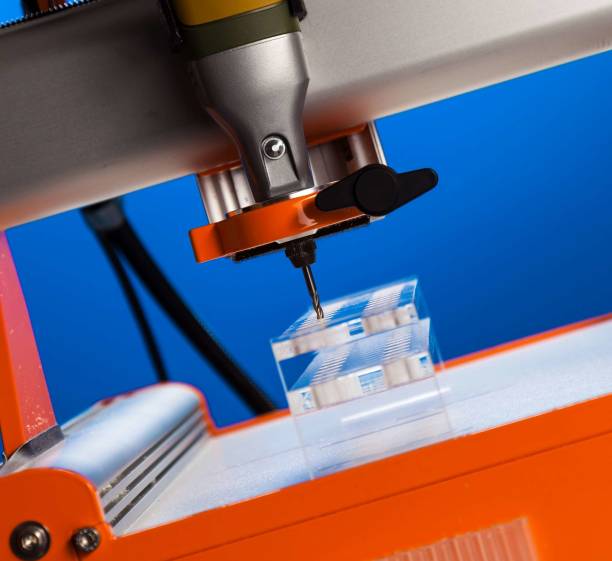
Aplicaciones de piezas de mecanizado CNC de acrílico
El acrílico se considera la alternativa secundaria a la cerámica para fabricar artículos sanitarios. Tiene un brillo extremadamente alto y muchas más ventajas, que lo diferencian de los materiales cerámicos convencionales. Algunos casos de puntos son gran dureza, colores brillantes que se adaptan a diversas demandas, verdor y durabilidad cuando se usa en artículos para el hogar como inodoros, bañeras y lavabos, bajo costo, maquinabilidad y peso ligero. Por lo tanto, los productos hechos de acrílico mecanizado son ampliamente utilizados en multitud de industrias y accesorios de maquinaria. Parte de las aplicaciones comunes de piezas de mecanizado acrílico y componentes moldeados son las siguientes:
Médico: Una variedad de instrumentos médicos quirúrgicos, incubadoras para bebés, etc.
Construcción: puerta insonorizada, cabina telefónica, ventana, etc.
Encendiendo: lámparas de automóviles, candelabros, lámparas fluorescentes, cubiertas de farolas, etc.
Anuncio publicitario: expositor, rótulo, cajas de luz, etc.
Industrial: cubierta y panel de instrumentos, etc.
Transportación: ventanas y puertas de trenes, automóviles y otros vehículos.
Nuestros puntos fuertes en los servicios de mecanizado acrílico CNC
Preguntas frecuentes sobre acrílico
El acrílico se puede mecanizar mediante operaciones de corte como fresado CNC o torneado CNC. Las fresadoras CNC pueden lograr un mecanizado de alta precisión ya que utilizan una herramienta de corte multipunto para eliminar materiales desde cualquier ángulo. Y los tornos CNC se usan comúnmente para procesar materiales más blandos como plásticos, madera, espuma y aluminio con una herramienta estacionaria para cortar piezas de trabajo giratorias.
Lo determinará el efecto final de las piezas que desee. El corte por láser puede realizar líneas verticales limpias, pero tiene limitaciones en cuanto al grosor de los materiales y defectos como la decoloración, mientras que el mecanizado CNC puede crear productos multidimensionales al cortar profundidades muy específicas en materiales gruesos.
Al emplear el mecanizado CNC para cortar plástico PMMA, se supone que debe considerar algunos factores clave de cinco aspectos:
- Asegúrese de que la pieza de trabajo esté correctamente sujeta en caso de vibración.
- Use un poco de diseño personalizado para cortar acrílico.
- Los tamaños de bits más grandes pueden funcionar mejor.
- Corte el acrílico a la velocidad adecuada con la mayor rapidez y firmeza posibles.
- Enfríe el acrílico durante algún tiempo antes de ejecutar el corte.
Debido a su brillo, ligereza y transparencia, se considera comúnmente como un sustituto de los tubos de luz o el vidrio. Otras aplicaciones comunes incluyen paneles, tubos de luz, óptica, piezas de automóviles, etc.
Se recomienda que la velocidad para cortar acrílico sea de 18.000 RPM como mínimo. Si desea velocidades más altas, es posible que deba adaptarse a la velocidad de alimentación para evitar que el material se derrita por el calor. Pero también se debe tener en cuenta el diámetro de la herramienta que se utiliza.